
Is Your Tooth Sensitivity Trying to Tell You Something?
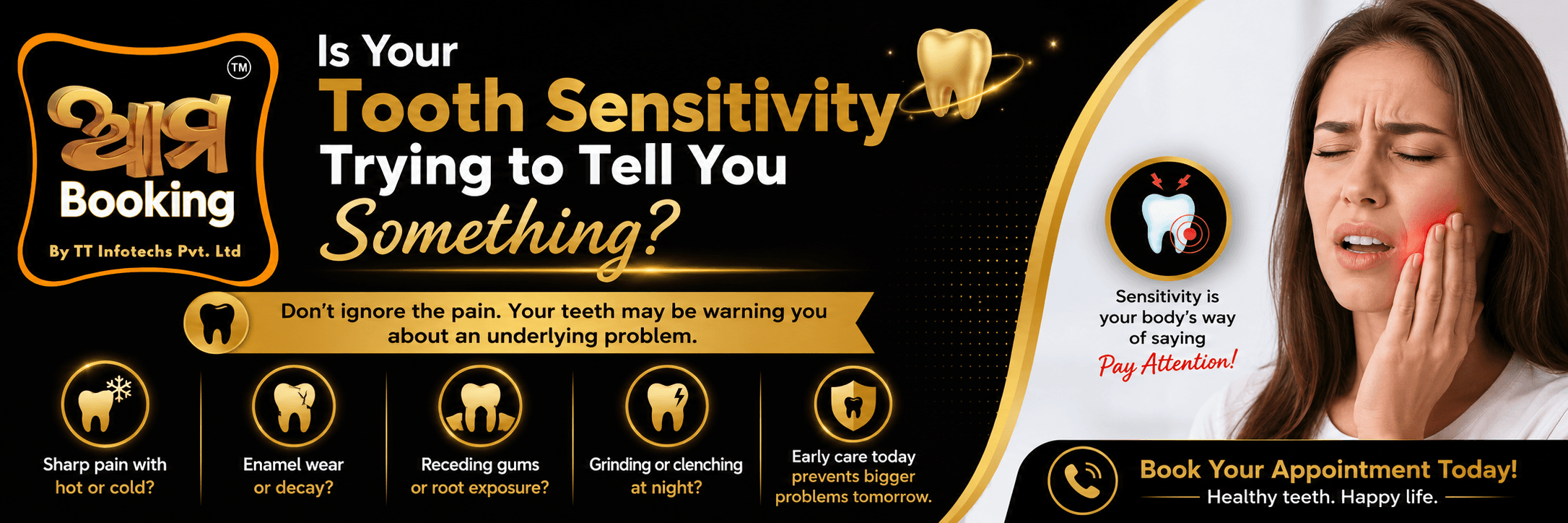
Have you ever taken a sip of ice-cold water or enjoyed a spoonful of your favorite ice cream only to feel a sudden sharp pain shoot through your teeth? Perhaps a hot cup of coffee or tea causes discomfort, making it difficult to enjoy your daily routine. If this sounds familiar, you are not alone. Tooth sensitivity is one of the most common dental complaints among adults and can affect people of all ages.
While many individuals view sensitive teeth as a minor annoyance, the truth is that tooth sensitivity can often be a warning sign of underlying oral health problems. Your teeth are designed to protect themselves from temperature changes, pressure, and everyday wear. When sensitivity develops, it may indicate that something has compromised that natural protection.
Understanding the causes, symptoms, treatment options, and prevention methods for tooth sensitivity can help you take action before the condition worsens. In many cases, early intervention can prevent serious dental problems and save you from costly and extensive treatments in the future.
What Is Tooth Sensitivity?
Tooth sensitivity, also known as dentin hypersensitivity, occurs when the inner layer of a tooth becomes exposed. Normally, teeth are protected by a hard outer layer called enamel. Below the enamel lies dentin, a softer tissue that contains microscopic channels leading directly to the nerves inside the tooth.
When enamel becomes worn down or gum tissue recedes, these tiny channels become exposed to external stimuli such as hot foods, cold drinks, sweet treats, acidic foods, and even cold air. As a result, sensations reach the tooth's nerve more easily, causing pain or discomfort.
The pain associated with tooth sensitivity is often sudden and sharp. Some people experience mild discomfort, while others may suffer intense pain that interferes with eating, drinking, and daily activities.
Why Tooth Sensitivity Should Not Be Ignored
Many people simply avoid cold drinks or certain foods when they develop sensitive teeth. While this may seem like a practical solution, it does not address the underlying problem.
Sensitivity can be a sign of:
- Tooth decay
- Gum disease
- Enamel erosion
- Cracked teeth
- Exposed tooth roots
- Teeth grinding
- Oral infections
Ignoring sensitivity allows these issues to progress over time. What starts as occasional discomfort may eventually become severe pain, infection, or even tooth loss.
Your teeth often provide early warning signs before major dental problems develop. Sensitivity is one of those warning signs and should never be overlooked.
Common Causes of Tooth Sensitivity
1. Enamel Erosion
Enamel is the hardest substance in the human body, but it is not indestructible. Over time, various factors can wear down enamel and expose the sensitive dentin beneath.
Common causes of enamel erosion include:
- Frequent consumption of acidic beverages
- Soft drinks and energy drinks
- Citrus fruits
- Excessive alcohol consumption
- Acid reflux disease
- Poor oral hygiene
Once enamel is lost, it cannot naturally regenerate. This makes prevention and early treatment extremely important.
2. Gum Recession
Healthy gums cover and protect the roots of your teeth. However, gum tissue can gradually recede due to aging, aggressive brushing, gum disease, or genetics.
When gums pull away from the teeth, the roots become exposed. Unlike the crowns of teeth, roots do not have enamel protection, making them particularly sensitive to temperature changes and pressure.
3. Tooth Decay
Cavities are another common cause of tooth sensitivity. When bacteria damage tooth structure, holes develop in the enamel and dentin.
As cavities grow larger, they allow hot, cold, and sweet substances to reach deeper layers of the tooth, resulting in pain and discomfort.
Early treatment of cavities can prevent more serious complications such as root canal infections.
4. Cracked or Chipped Teeth
Even small cracks can expose sensitive inner structures of the tooth. Cracks may result from:
- Accidents
- Sports injuries
- Chewing hard foods
- Teeth grinding
- Aging
A cracked tooth can cause sensitivity when chewing or when exposed to temperature changes.
5. Teeth Grinding (Bruxism)
Many people unknowingly grind or clench their teeth while sleeping. Over time, this habit wears down enamel and places excessive pressure on teeth.
Signs of teeth grinding include:
- Morning jaw pain
- Headaches
- Worn tooth surfaces
- Increased tooth sensitivity
Without treatment, bruxism can cause significant dental damage.
6. Aggressive Brushing
Brushing your teeth is essential, but brushing too hard can actually damage your teeth and gums.
Using a hard-bristled toothbrush or applying excessive force can:
- Wear down enamel
- Cause gum recession
- Create tooth sensitivity
Dentists recommend using a soft-bristled toothbrush and gentle circular motions when brushing.
7. Recent Dental Procedures
Temporary sensitivity may occur after:
- Teeth whitening
- Fillings
- Crowns
- Dental cleanings
- Orthodontic adjustments
In most cases, this sensitivity resolves within a few days or weeks. If it persists, consult your dentist.
Symptoms of Tooth Sensitivity
Tooth sensitivity can present in different ways depending on the cause.
Common symptoms include:
- Sharp pain when consuming hot foods
- Discomfort when drinking cold beverages
- Sensitivity to sweets
- Pain while brushing or flossing
- Discomfort when breathing cold air
- Pain while chewing
Some individuals experience symptoms occasionally, while others notice them daily.
Foods and Drinks That Can Trigger Sensitivity
Certain foods are more likely to trigger discomfort in sensitive teeth.
Hot Foods and Drinks
- Coffee
- Tea
- Soup
- Hot chocolate
Cold Foods and Drinks
- Ice cream
- Cold water
- Frozen desserts
- Chilled beverages
Acidic Foods
- Oranges
- Lemons
- Tomatoes
- Vinegar-based foods
Sweet Foods
- Candy
- Cakes
- Chocolate
- Sugary beverages
Reducing exposure to these triggers can help minimize discomfort while treatment is underway.
How Dentists Diagnose Tooth Sensitivity
Accurate diagnosis is essential because sensitivity can have many different causes.
A dental examination typically includes:
Visual Inspection
Your dentist will check for visible signs of:
- Cavities
- Cracks
- Gum recession
- Worn enamel
Dental X-Rays
X-rays help detect:
- Hidden decay
- Bone loss
- Infections
- Structural damage
Medical History Review
Your dentist may ask about:
- Dietary habits
- Oral hygiene routines
- Teeth grinding
- Medical conditions
- Current medications
This information helps identify contributing factors.
Treatment Options for Sensitive Teeth
Treatment depends on the underlying cause.
Desensitizing Toothpaste
Special toothpaste contains compounds that block pain signals from reaching the tooth nerve.
Regular use often provides noticeable relief within several weeks.
Fluoride Treatments
Professional fluoride applications strengthen enamel and reduce sensitivity.
Fluoride helps remineralize weakened tooth surfaces and protect against further damage.
Dental Bonding
Bonding materials can cover exposed roots or damaged enamel.
This treatment creates a protective barrier and reduces discomfort.
Gum Disease Treatment
If gum recession is caused by periodontal disease, treating the infection is essential.
Professional cleanings and periodontal therapy can improve gum health and reduce sensitivity.
Dental Crowns
Severely damaged teeth may require crowns to restore strength and protection.
Crowns completely cover the visible portion of a tooth, preventing exposure to triggers.
Root Canal Treatment
In cases where sensitivity is caused by nerve damage or infection, root canal therapy may be necessary.
This procedure removes infected tissue and eliminates pain.
Night Guards
Patients who grind their teeth often benefit from custom night guards.
These appliances protect teeth from excessive wear during sleep.
Home Remedies for Mild Sensitivity
While professional treatment is important, several home-care strategies can help manage symptoms.
Use a Soft-Bristled Toothbrush
Gentle brushing protects enamel and gums from further damage.
Avoid Acidic Foods
Limiting acidic beverages and foods helps prevent enamel erosion.
Use Fluoride Toothpaste
Fluoride strengthens enamel and reduces sensitivity.
Drink Water Frequently
Adequate hydration promotes saliva production, which helps protect teeth naturally.
Avoid Overusing Whitening Products
Excessive whitening treatments may increase sensitivity.
Follow product instructions carefully and consult your dentist if discomfort develops.
The Link Between Sensitivity and Overall Health
Oral health is closely connected to overall health.
Untreated dental problems can contribute to:
- Chronic inflammation
- Nutritional difficulties
- Poor quality of life
- Increased stress
- Sleep disturbances
Addressing tooth sensitivity improves not only oral comfort but also overall well-being.
Preventing Tooth Sensitivity
The best approach is prevention.
Brush Correctly
Brush twice daily using a soft-bristled toothbrush and fluoride toothpaste.
Floss Every Day
Flossing removes plaque and bacteria from areas your toothbrush cannot reach.
Limit Sugary Foods
Reducing sugar intake lowers the risk of cavities and enamel damage.
Avoid Tobacco Products
Smoking contributes to gum disease and oral health problems.
Wear Protective Gear
Use mouthguards during sports activities to prevent dental injuries.
Visit Your Dentist Regularly
Routine dental checkups allow problems to be detected and treated early.
Professional cleanings also help maintain healthy teeth and gums.
When Should You See a Dentist?
You should schedule a dental appointment if:
- Sensitivity lasts more than a few days
- Pain becomes increasingly severe
- Multiple teeth are affected
- You notice visible damage
- Sensitivity interferes with eating or drinking
- You experience swelling or bleeding gums
Early diagnosis often results in simpler and less expensive treatment.
Living Comfortably with Sensitive Teeth
Many people successfully manage tooth sensitivity with proper dental care and lifestyle adjustments.
Simple habits such as using desensitizing toothpaste, reducing acidic foods, and maintaining regular dental visits can make a significant difference.
Most importantly, never assume sensitivity is normal. Your teeth are often trying to alert you to a problem that requires attention.
Conclusion
Tooth sensitivity is more than a temporary inconvenience. It is often an important warning sign that your oral health needs attention. Whether caused by enamel erosion, gum recession, cavities, cracked teeth, or teeth grinding, sensitivity should not be ignored.
The good news is that most causes of tooth sensitivity can be treated effectively when diagnosed early. Professional dental care, combined with good oral hygiene habits and preventive measures, can restore comfort and protect your smile for years to come.
If you experience pain when drinking hot coffee, eating ice cream, or brushing your teeth, listen to what your teeth are trying to tell you. A simple dental examination today could prevent more serious problems tomorrow.
Book Your Dental Checkup Today
Don't let tooth sensitivity affect your daily life. Schedule a professional dental examination and discover the cause behind your discomfort. Early treatment can help preserve your natural teeth, improve oral health, and keep your smile strong, healthy, and pain-free for years to come. 🦷✨