
Why Regular Dental Checkups Are Important for a Healthy Smile
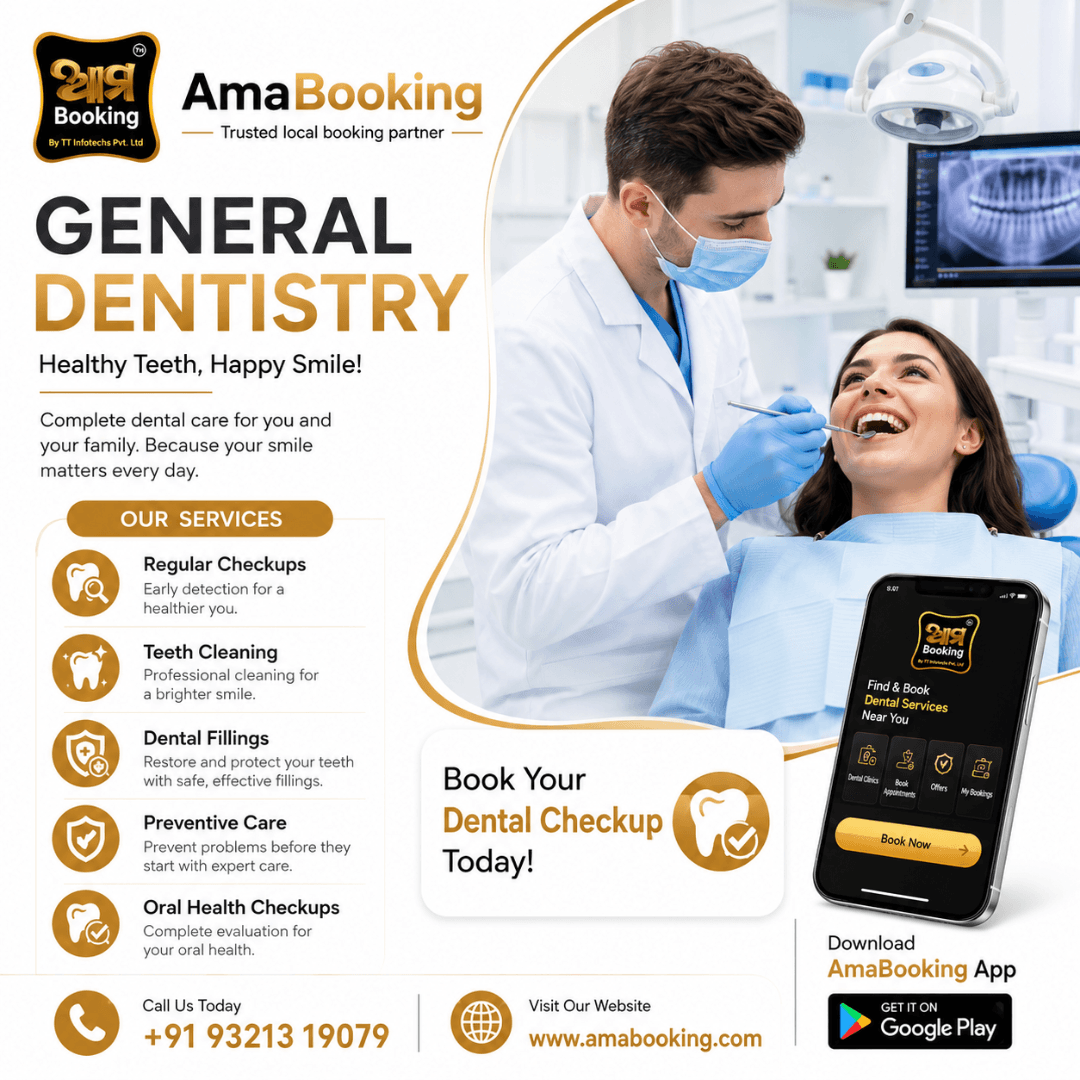
Why Regular Dental Checkups Are Important for a Healthy Smile
A healthy smile is more than just an attractive feature; it is a reflection of your overall health and well-being. Many people believe that brushing twice a day and flossing regularly are enough to maintain excellent oral health. While these habits are essential, they cannot replace the importance of regular dental checkups. Professional dental examinations and cleanings help detect problems before they become serious, prevent oral diseases, and ensure that your teeth and gums remain healthy throughout your life.
Unfortunately, many people only visit a dentist when they experience pain or discomfort. By the time symptoms appear, dental problems may have already progressed significantly, requiring more extensive and costly treatments. Regular dental checkups focus on prevention rather than treatment, helping patients avoid unnecessary pain, expenses, and complications.
Understanding Regular Dental Checkups
A dental checkup is a routine appointment where a dentist examines your oral health and performs preventive care procedures. During these visits, your dentist evaluates the condition of your teeth, gums, tongue, jaw, and other oral tissues. Professional cleaning is usually performed to remove plaque and tartar buildup that cannot be eliminated through regular brushing and flossing.
A comprehensive dental checkup typically includes:
- Examination of teeth and gums
- Professional teeth cleaning
- Oral cancer screening
- X-rays when necessary
- Evaluation of bite alignment
- Assessment of existing dental restorations
- Oral hygiene recommendations
- Discussion of any dental concerns
Most dental professionals recommend visiting the dentist every six months, although some individuals may require more frequent visits depending on their oral health needs.
For more oral health resources, visit:
Early Detection of Dental Problems
One of the greatest benefits of regular dental checkups is the early detection of dental issues. Many oral health problems develop gradually and may not cause noticeable symptoms in their early stages.
Tooth Decay
Cavities often begin as small areas of enamel damage. During a dental examination, a dentist can identify these early signs and provide treatment before the decay progresses deeper into the tooth. Early intervention may require only a simple filling rather than a root canal or extraction.
Gum Disease
Gum disease is one of the leading causes of tooth loss among adults. Early-stage gum disease, known as gingivitis, often causes mild symptoms such as redness, swelling, or bleeding gums. Regular dental visits allow dentists to identify and treat gingivitis before it develops into advanced periodontal disease.
Cracked or Damaged Teeth
Small cracks and chips may go unnoticed but can worsen over time. Dentists can detect these issues during routine examinations and recommend appropriate treatment to prevent further damage.
Oral Cancer
Oral cancer can affect the lips, tongue, cheeks, throat, and other areas of the mouth. Early detection significantly improves treatment outcomes. Dentists perform oral cancer screenings during routine checkups and can identify suspicious lesions that may require further evaluation.
Learn more about oral cancer awareness:
Professional Teeth Cleaning
Even individuals who maintain excellent oral hygiene at home can benefit from professional dental cleaning. Plaque continuously forms on teeth, and if not removed effectively, it hardens into tartar.
Tartar cannot be removed by brushing or flossing alone. Professional dental instruments are required to safely eliminate these deposits.
Benefits of professional cleaning include:
- Removal of plaque and tartar
- Reduced risk of cavities
- Prevention of gum disease
- Fresher breath
- Improved appearance of teeth
- Reduced staining from food and beverages
Professional cleaning helps create a healthier environment in the mouth and supports long-term oral health.
Prevention Is Better Than Treatment
Preventive dentistry focuses on avoiding dental problems before they occur. Regular dental checkups are among the most effective preventive measures available.
Consider the difference between treating a small cavity and replacing a lost tooth. Early treatment is often simple, quick, and affordable, while advanced dental procedures can be time-consuming and expensive.
Preventive dental care helps patients avoid:
- Severe tooth decay
- Root canal infections
- Tooth extractions
- Advanced gum disease
- Bone loss
- Expensive restorative treatments
By investing in routine dental visits, patients can save both money and discomfort in the long run.
Protecting Overall Health
Many people do not realize the strong connection between oral health and overall health. Research has shown that poor oral health can contribute to various systemic conditions.
Heart Disease
Studies suggest that gum disease may increase the risk of cardiovascular disease. Chronic inflammation associated with periodontal disease can affect blood vessels and overall cardiovascular health.
Diabetes
Diabetes and gum disease have a two-way relationship. Individuals with diabetes are more susceptible to gum infections, while severe gum disease can make blood sugar levels more difficult to control.
Respiratory Conditions
Oral bacteria can be inhaled into the lungs, potentially contributing to respiratory infections and complications, particularly in older adults.
Pregnancy Complications
Pregnant women with untreated gum disease may face a higher risk of certain pregnancy complications. Regular dental care is important throughout pregnancy.
Additional health information can be found at:
Maintaining Healthy Gums
Healthy gums provide the foundation for strong teeth. Unfortunately, gum disease often develops silently, causing minimal discomfort in its early stages.
Common signs of gum disease include:
- Bleeding while brushing
- Swollen gums
- Persistent bad breath
- Gum recession
- Loose teeth
Routine dental examinations help identify gum disease before permanent damage occurs. Early treatment can often reverse gingivitis and prevent progression to more serious periodontal conditions.
Improved Oral Hygiene Education
Every patient has unique oral health needs. Dentists and dental hygienists provide personalized advice based on individual risk factors and habits.
Patients may receive guidance on:
- Proper brushing techniques
- Effective flossing methods
- Choosing the right toothbrush
- Selecting appropriate toothpaste
- Dietary recommendations
- Preventing cavities and gum disease
Professional instruction helps patients improve their daily oral care routines and achieve better long-term results.
Monitoring Existing Dental Work
Many adults have fillings, crowns, bridges, implants, or dentures. These restorations require regular monitoring to ensure they remain functional and effective.
During routine checkups, dentists evaluate:
- Existing fillings
- Crowns and bridges
- Dental implants
- Dentures
- Orthodontic appliances
Early identification of wear or damage helps prevent more significant complications and ensures continued oral health.
Fresher Breath and Increased Confidence
Bad breath, also known as halitosis, can negatively affect self-confidence and social interactions. Persistent bad breath is often caused by:
- Plaque buildup
- Gum disease
- Tooth decay
- Dry mouth
- Oral infections
Professional dental cleanings remove many of the factors that contribute to unpleasant breath. Combined with good oral hygiene, regular checkups help patients maintain fresher breath and greater confidence.
Benefits for Children
Dental care should begin early in life. Children's dental checkups are essential for monitoring growth and development while preventing common childhood dental problems.
Benefits include:
- Early cavity detection
- Fluoride treatments
- Dental sealants
- Monitoring tooth eruption
- Guidance on oral hygiene habits
Establishing regular dental visits during childhood encourages lifelong oral health habits.
Benefits for Seniors
As people age, oral health needs often become more complex. Seniors may experience:
- Dry mouth
- Gum recession
- Tooth wear
- Tooth loss
- Medication-related oral issues
Regular dental examinations help address these challenges and maintain oral function and comfort.
Reducing Dental Anxiety
Many individuals avoid dental visits because of anxiety or fear. However, postponing appointments often leads to more serious problems that require extensive treatment.
Routine dental visits help patients become comfortable with the dental environment and reduce anxiety over time. Preventive care generally involves less invasive procedures, making appointments more pleasant and stress-free.
The Role of Dental X-Rays
Dental X-rays are valuable diagnostic tools that allow dentists to detect problems not visible during a visual examination.
X-rays can reveal:
- Hidden cavities
- Bone loss
- Impacted teeth
- Jaw abnormalities
- Infections
- Developmental concerns
By identifying issues early, X-rays contribute significantly to preventive dental care.
Nutrition and Oral Health
Diet plays a major role in maintaining healthy teeth and gums. During regular checkups, dentists often discuss nutritional habits that may affect oral health.
Helpful recommendations include:
- Limiting sugary snacks and beverages
- Drinking plenty of water
- Consuming calcium-rich foods
- Eating fruits and vegetables
- Avoiding excessive acidic drinks
Healthy dietary choices support strong teeth and reduce the risk of decay.
Financial Benefits of Preventive Care
Many people avoid dental visits because they believe they are saving money. In reality, preventive care is typically far less expensive than treating advanced dental problems.
For example:
- A routine cleaning costs significantly less than a root canal.
- A small filling costs less than a dental crown.
- Preventing gum disease costs less than periodontal surgery.
Regular checkups represent an investment in long-term oral and financial health.
How Often Should You Visit the Dentist?
The standard recommendation is a dental checkup every six months. However, some individuals may require more frequent visits, including those with:
- Gum disease
- Diabetes
- Smoking habits
- Frequent cavities
- Orthodontic treatment
- Compromised immune systems
Your dentist will recommend a schedule based on your specific oral health needs.
Signs You Should Schedule a Dental Appointment Immediately
Although regular checkups are important, certain symptoms require prompt professional attention:
- Severe tooth pain
- Swollen gums
- Bleeding gums
- Loose teeth
- Persistent bad breath
- Mouth sores
- Jaw pain
- Broken teeth
Ignoring these symptoms may allow conditions to worsen.
Conclusion
Regular dental checkups are one of the most effective ways to maintain a healthy smile and protect overall health. These routine visits help prevent cavities, detect gum disease early, identify oral cancer, monitor dental restorations, and provide professional cleaning that cannot be achieved through home care alone.
A healthy mouth contributes to better physical health, improved confidence, fresher breath, and a higher quality of life. Rather than waiting for pain or discomfort to appear, individuals should prioritize preventive dental care and schedule routine dental visits as recommended by their dentist.
Investing in regular dental checkups today can help prevent serious dental problems tomorrow, ensuring a lifetime of healthy teeth, strong gums, and confident smiles. For professional dental care and expert oral health guidance, schedule your next dental examination and take the first step toward a healthier future.